The short version
- An installation in Oulu Cathedral in Finland turns more than 4,000 fast radio bursts into a one-hour piece every day at noon.
- Each burst’s flash becomes a snare-like beat, and the spread of its frequencies becomes harmony.
- It runs through April 2027 as part of Oulu’s year as European Capital of Culture.
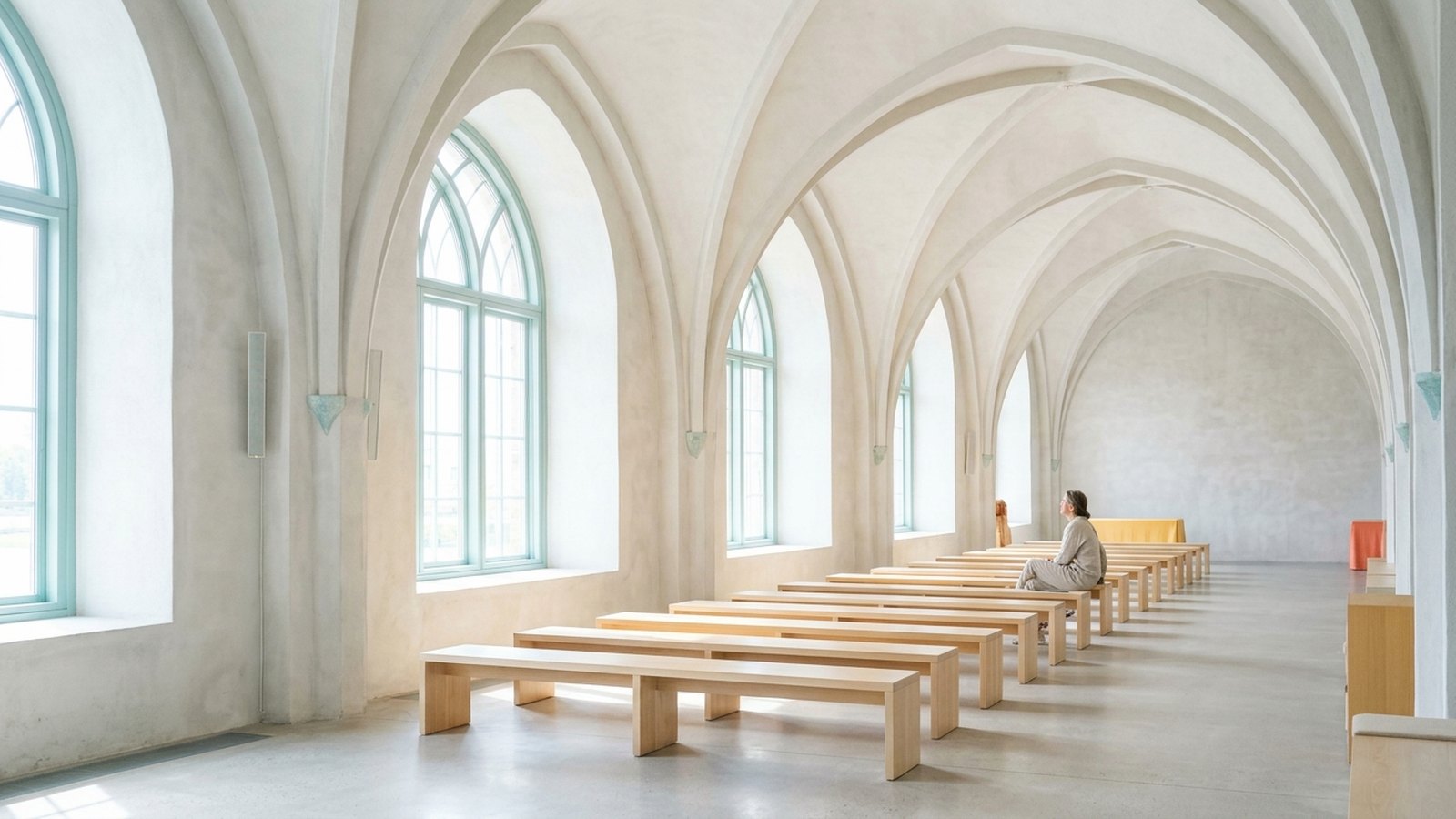
Fast radio bursts are brief flashes of radio energy from deep space. Canada’s CHIME telescope recorded thousands of them between 2018 and 2023. Since April, The Logos has been turning more than 4,000 of those bursts into sound in Oulu Cathedral, Finland, built in 1832. Every day at noon a one-hour composition, generated from the data, fills the building.
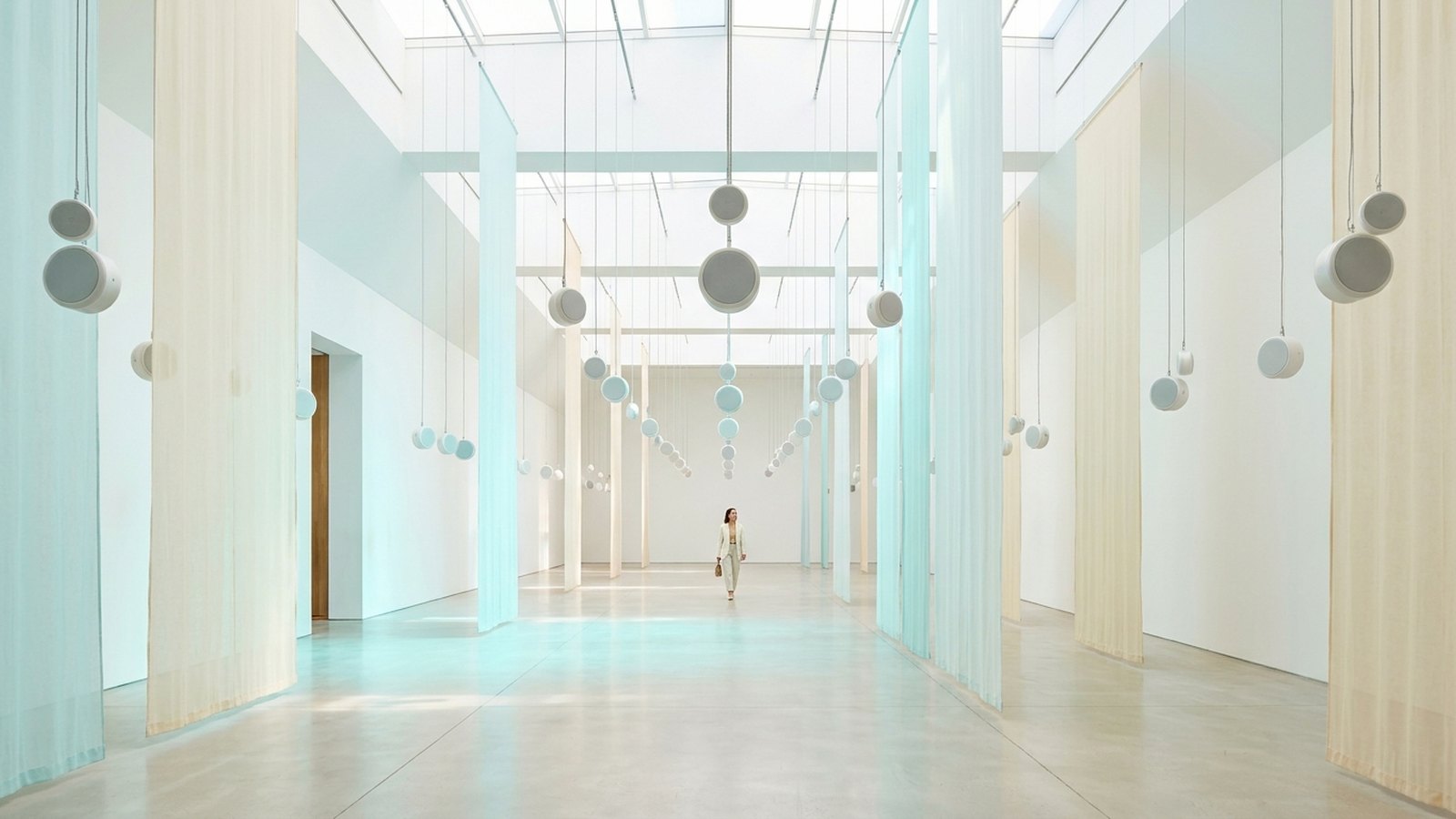
The piece keeps each burst’s timing, spectral shape and energy. A burst’s arrival becomes a beat; “The fast flashes will echo as snare-like beats bouncing through the cathedral,” said MIT astrophysicist Kiyoshi Masui, who worked on the data. A burst’s frequencies also arrive at slightly different times, and that spread becomes harmony between high and low tones. Some bursts happen once, others repeat from sources no one has identified. Artist Andrew Melchior leads the project with Masui, philosopher Timothy Morton and cathedral dean Satu Saarinen. The sound comes from 12 loudspeakers with 16 low-frequency drivers between them.
The installation marks the cathedral’s 250th anniversary and is part of Oulu2026, European Capital of Culture. It runs through April 2027.